Sleep Better After Drinking Alcohol: Effective Strategies for a Restful Night

Loved ones should understand that withdrawal insomnia is a medical symptom, not a choice or sign of weakness. The person experiencing insomnia may be irritable, emotional, or have difficulty concentrating due to sleep deprivation. Patience and understanding during this challenging time can significantly impact recovery success. Some people may continue to experience occasional sleep difficulties even after months of sobriety, particularly during times of stress or major life changes. This is normal and doesn’t indicate a failure in recovery, but rather highlights the importance of ongoing sleep management strategies. Our inpatient rehab programs include specialized therapies that address sleep problems and their underlying causes.

  • Many doctors recommend trying natural sleep hygiene improvements first before turning to medication.
  • Unlike alcohol, drinking caffeine will make it more difficult to fall asleep.
  • Our inpatient rehab programs include specialized therapies that address sleep problems and their underlying causes.
  • Your doctor can prescribe a medication that is non-addictive so you can avoid switching from alcohol addiction to a sleeping pill addiction.
  • Causes & How to Stop It—your nervous system is in overdrive, and learning how to calm it down can make a big difference.

TREATMENT

  • This rebound effect disrupts your sleep patterns later in the night, specifically cutting into your deep sleep.
  • That way, your body will know what to do when you pull up the covers.
  • Some individuals may want to reach out to a medical provider to assess whether or not they have a preexisting condition and seek appropriate treatment.
  • As we delve deeper into this topic, we’ll explore the intricate ways in which alcohol influences our sleep patterns and discover effective strategies to mitigate its negative effects.

The connection between alcohol and sleep problems after drinking is backed by science, with studies showing how alcohol interferes with REM sleep, hydration, and hormonal balance. While alcohol might feel like a quick fix for falling asleep, it’s a short-term solution with long-term consequences. Over time, reliance on alcohol to sleep can lead to dependency, further disrupting your body’s natural sleep mechanisms. Your body’s internal clock, or circadian rhythm, is regulated by melatonin. Alcohol disrupts the why cant i sleep after drinking alcohol production of melatonin, making it harder to fall asleep naturally.

why cant i sleep after drinking alcohol

If you’re already tired, having a drink can feel like a quick fix to help you fall asleep. You might find yourself needing it to fall asleep, only for it to disrupt your rest later in the night, leaving you even more exhausted the next day. This creates a dependency where you feel you can’t sleep without it, even though it’s the very thing preventing restorative rest. Individual sensitivities, metabolism, and overall health also play a part, meaning the same drink can affect two people’s sleep very differently. This leads to a surge in lighter sleep and more frequent awakenings in the second half of the night. So while you might have dozed off quickly, you’re missing out on the consistent, high-quality rest your brain and body actually need to repair and recharge.

Circadian Rhythm Disruption

  • RISE can tell you the best time to do 20+ sleep hygiene habits at times that make them the most effective for you.
  • She brings 11 years of experience as a mental-health and substance-use nurse and is currently in the Mental Health Nurse Practitioner program at Chamberlain (expected December 2026).
  • Good sleep hygiene will help you fall asleep faster and stay asleep longer, so you don’t need to have something before bed for sleep.

Megan’s therapeutic approach is multifaceted, drawing from narrative, feminist, and existential therapy modalities. By employing these frameworks, Megan empowers her clients to confront their realities and comprehend the tangible impact of systemic factors on their lives. Kayla earned a master’s in Clinical Mental Health Counseling from Liberty University (August 2024) and completed Brainspotting Phase 1. She draws on DBT, CBT, Brainspotting, solution-focused work, and motivational interviewing—tailored to the person, not the label. In Criminal Justice/Psychology from Columbia University (2009) and a B.S. She brings 11 years of experience as a mental-health and substance-use nurse and is currently in the Mental Health Nurse Practitioner program at Chamberlain (expected December 2026).

Think you can survive on five hours’ sleep? Keep dreaming.

It’s easy to have a couple of pints without realizing you’ve consumed a significant amount of alcohol. There’s a clear and direct link between the amount of alcohol consumed and the negative impact on your sleep. So, whether you have two beers or two shots of whiskey, the total ethanol content is what matters. The most effective way to protect your rest is to be mindful of how much you’re drinking, regardless of the form it takes. With this therapy, your therapist will help you set a time limit for how long you can spend in bed, like 5 hours the first week.

What self-care steps reliably improve sleep in early sobriety?

why cant i sleep after drinking alcohol

Consuming balanced meals throughout the day, avoiding caffeine, sugar, and heavy meals close to bedtime can go a long way in improving sleep quality. Think of your body as a downtown city – buzzing with events and activity. Alcohol had been hosting one of the most attended shows for years and, suddenly, it’s gone. It’s as if countless citygoers have nowhere to go, creating chaos and restlessness. By understanding the whys and hows behind insomnia, we can devise strategies to reclaim your sound sleep. This is not just about battling those long wakeful nights; it’s about gaining control of your body and overall wellness.

How long after quitting alcohol does sleep improve?

Understanding what’s happening in your body is the first step toward protecting your rest and exploring healthier ways to unwind. It’s a key part of mindful drinking and taking control of your well-being. In order to combat the negative effects of alcohol on brain chemistry and sleep, it’s important to be mindful of your alcohol consumption and its impact on your body’s natural sleep processes.

Improved Sleep Architecture

Sometimes it is hard to fall or stay asleep because your thoughts are racing. You find it hard to keep your mind quiet long enough to fall asleep. This can also make it hard to fall back asleep if you are woken up in the middle of the night. Studies have shown that symptoms of insomnia are five times higher for those quitting alcohol than for others. Your everyday lifestyle choices and decisions will determine how soon your body fully recovers from the effects of alcohol in your system. As an extended care treatment facility, Estadt Psychological serves to provide intensive recovery treatment for alcohol addiction as well as other life problems.

Drinking a high amount of alcohol can cause disrupted sleep and can even lead to the person experiencing sleep disorders. Going to bed and waking up at the same time every day is crucial for better sleep. This habit helps regulate Sobriety your body’s internal clock, making it easier to fall asleep and wake up naturally. Start by setting a realistic bedtime and wake-up time that allows for 7-9 hours of sleep.

The Role of Sleep in Addiction Recovery

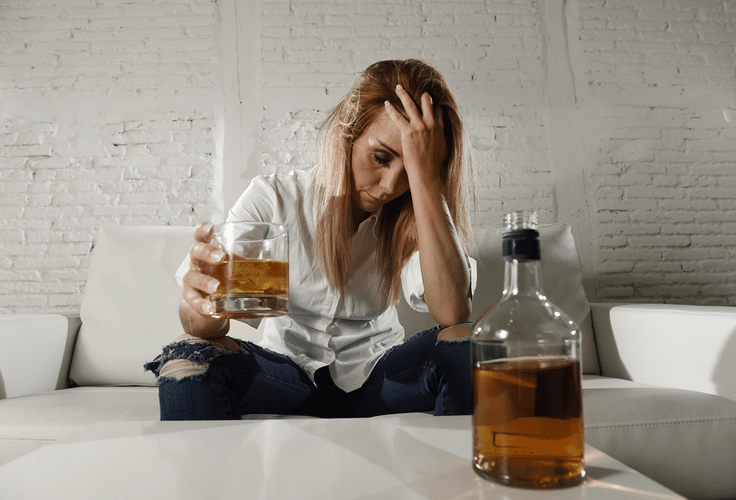
This practice not only promotes physical relaxation but also helps distract your mind from any racing thoughts that might be keeping you awake. While a drink now and then may have a sedative effect that causes you to drift off faster, research shows that it can impede sleep quality in the long run. If you’ve ever had a drink or two and fallen asleep only to wake up at 2 or 3 a.m., there’s also a reason for that. As alcohol wears off, it can cause a withdrawal effect that can wake you up. Below, we’ll cover why you can’t sleep after drinking alcohol and how you can use the RISE app to fall and stay asleep more easily, even when you have a drink.

Understanding the stages of opiate addiction recovery

The Recovery Village’s accredited treatment facilities offer a comprehensive program for opiate addiction treatment. The Recovery Village’s staff is experienced in helping people overcome opiate addiction and achieve long-term recovery. Opioids bind to specific receptors in the brain, spinal cord, and other organs in the body, reducing the perception of pain and often producing a sense of euphoria.

opiate recovery

Lets Start Your Mental Health Recovery Journey Today

  • Both are staffed by treatment experts around the clock to best meet the needs of those affected by opiates.
  • Natural opiates laid the groundwork for pain management, while synthetic and semi-synthetic opioids expanded medical possibilities (and, unfortunately, opportunities for misuse).
  • Always seek professional medical advice before starting any treatment to ensure it aligns with your unique health needs.

Long-acting or extended-release opioids may take 1–3 days to cause withdrawal symptoms after discontinuation. Withdrawal symptoms may persist for several weeks after the discontinuation of use. The American Society of Addiction Medicine (ASAM) recommends using medication to treat the symptoms of opioid withdrawal. This article also describes opioid withdrawal by stage and provides information on when to contact a doctor and the dangers of opioid use disorder. It occurs when a person with opioid use disorder abruptly stops using opioids. Talk with a doctor to find out what types of treatments are available in your area and what options are best for you and/or your loved one.

  • What does it take to get past the addiction and finally be sober and clean?
  • Lost Angels DOES NOT accept Medicaid, Medicare, or any state funded insurance policies.
  • Bring our knowledge, experience and achievements in the field of addiction treatment and opioid dependency to other medical institutions, until ANR becomes widely available.
  • These are all questions that an individual may have if he or she is ready to get past the opiate addiction but simply does not have the ability to really visualize recovery.

When to Contact a Medical Professional

Medically supervised withdrawal, as offered by Waismann Method, ensures a safer and more comfortable experience, setting the stage for a successful recovery. Always seek professional medical advice before starting any treatment to ensure it aligns with your unique health needs. To be opiate dependent means simply that the user is physically or psychologically dependent on opiates such as heroin, methadone, morphine, Oxycodone, Hydrocodone or another opiate derived drug. An opiate-dependent person will need to continue taking opiates in order to avoid withdrawal symptoms, sometimes referred to in slang as becoming “dope sick”. Opiate dependence includes a physical, psychological and cognitive dependence on opiates that is very difficult to overcome.

More About Opioid Rehab Centers

According to the American Psychiatric Association, opioid use disorder is a problematic pattern of opiate use with and despite serious potential consequences. As an elective procedure, this treatment is considered beneficial but not urgent and requires payment before the procedure is initiated. Although the ANR treatment currently isn’t covered by insurance, Medicare, or Medicaid, we offer several financing options to ease your burden. He is continuously called on to consult physicians and medical professionals around the world.

How do I choose the best center for opioid treatment?

opiate recovery

Some find recovery to be a rewarding state in which life is repaired, rejuvenated and fulfilling. Others find recovery to be an uphill battle plagued by constant fear of relapse, constant fear of slipping and constant wondering if the recovery will last. The bottom line is—recovery doesn’t happen overnight but it can drug addiction treatment happen if you work for it. This activation of the brain’s reward system reinforces the behavior of taking opiates, making it more likely that an individual will continue using them to experience the pleasurable effects. After the hospital discharge, you will be in the care of our team who will guide you in your recovery. You will be given tools to jump-start your endorphin system stabilization.

  • This is why it’s important to be honest with your provider about what you’re taking.
  • To begin understanding this detoxification journey, it’s essential to differentiate between opiates and opioids and recognize the initial symptoms of withdrawal.
  • When someone takes an opiate, it floods the brain with dopamine, which is why they experience such a strong feeling of pleasure.

Yes, it is possible to overdose on prescription opiates, especially when taken in high doses or in combination with other drugs or alcohol. Opiate overdose results in respiratory depression, coma, and death if not treated promptly. Signs of an opiate overdose include slowed breathing, confusion, extreme drowsiness, and unconsciousness. If someone is suspected of overdosing on opiates, it’s crucial to seek emergency medical attention immediately. The ANR treatment process restores normal brain function by altering and re-regulating the patient’s endorphin and opioid receptors to their pre-opioid addiction state. After the client has made it through their inpatient opiate center, they will have to find some form of aftercare.

Your Journey to Healing Begins Here

Support groups opiate recovery help reduce feelings of isolation, provide emotional support, and offer practical guidance for managing triggers and cravings. Healthcare providers can administer medications such as clonidine to reduce anxiety and muscle aches and antiemetics to control nausea and vomiting. Opioid medicines travel through the blood and attach to opioid receptors in brain cells.

What is an Alcoholics Nose?

This redness may be accompanied by a noticeable enlargement of the nasal tip and an increase in the size of pores on the facial skin. Understanding these non-alcoholic causes is vital for accurate diagnosis and effective treatment. This may include medication or surgery to manage symptoms and improve the nose’s appearance. Rhinophyma is commonly linked to chronic alcohol use, colloquially being misnamed ‘whisky nose’ or ‘rum blossom’. However, the true reason for this disfiguring condition has no clear causative trigger.

At West Georgia Wellness Center, we specialize in providing compassionate and evidence-based residential substance abuse treatment and drug detox in Atlanta. Our programs are designed to treat the whole person, addressing not just the physical dependence but also the underlying psychological, emotional, and social factors contributing to addiction. It’s crucial to know when a red nose alcohol association, or any persistent nasal redness or changes, warrants medical attention.

alcholic nose

Why Do We Call It “Alcoholic Nose” Anyway?

alcholic nose

Several warning signs indicate rhinophyma needs professional medical attention. Persistent facial redness that doesn’t respond to basic care, progressive nose enlargement, or functional problems like breathing difficulties alcholic nose warrant immediate evaluation. The misconception linking rhinophyma to alcohol addiction creates massive barriers that stop many people from getting necessary medical care.

What is Rhinophyma?

  • As we discussed earlier, they develop gradually over months or years, moving through distinct stages.
  • If you develop rhinophyma, your nose may appear red, large, and even bumpy or bulbous.
  • People may feel embarrassed about how they look, worry about being judged, or avoid getting the care they need.
  • This examination is essential for accurate diagnosis and to differentiate rhinophyma from other potential conditions affecting the nose.

Using a daily moisturiser and avoiding harsh facial cleansers or https://ecosoberhouse.com/ scrubs may also help to prevent the condition. The best way to prevent alcoholic noses is to reduce or eliminate alcohol consumption. This can be done by setting limits on the amount of alcohol consumed per day or week or by abstaining from alcohol altogether. Individuals who struggle with alcohol addiction may need professional help to achieve sobriety. Most commonly, the symptoms will include redness, swelling and dilation of blood vessels in the affected areas, particularly the nose and cheeks. The longer tissue overgrowth remains on the skin, the more likely it is to become permanent.

How to Get the Help You Need if You Suffer From Alcoholic Nose

Over time, this damage can become irreversible, leading to permanent loss of sensation and motor function in severe cases. Alcohol does not cause rhinophyma, but it can aggravate a rosacea flare-up. The eyes can also be affected by a specific type of rosacea known as ocular rosacea. In some cases, people may experience ocular rosacea before symptoms on the skin begin. If your rhinophyma is more advanced, laser therapy may be a worthwhile treatment option. At the same time, it’s worth noting that these factors don’t mean you’ll have rosacea.

Recognizing Early Signs

Of course, due to the nature of addiction, this is often easier said than done. To give yourself the best chance of recovering and achieving long-term sobriety, consider seeking professional addiction treatment. For these reasons, alcohol can aggravate symptoms of rosacea to a much more noticeable extent.

Rosacea can often appear on the outside to be an acne outbreak or natural coloring on the heroin addiction cheeks. The condition tends to affect fair-skinned, middle-aged women more often, but anyone of any age or skin tone can develop the condition. There are currently no cures for rosacea, but there are options available to treat specific symptoms. Surgical interventions are usually considered when other treatments have failed. These procedures can significantly improve the appearance and function of the nose but require a recovery period. Environmental triggers are highly individual, meaning that what affects one person may not affect another.

  • Keeping a diary of flare-ups and potential triggers can help pinpoint what environmental factors contribute to your symptoms.
  • If you are concerned you may be developing rhinophyma, speak to your doctor about available treatments and lifestyle changes that might help.
  • Recognizing early signs, especially in visible conditions like alcoholic nose, can encourage individuals to seek help sooner.

Are There Specific Products to Help With Alcohol Nose?

Some healthcare personnel refer to the nose condition as “end-stage rosacea.” In these cases, the sebaceous tissue (part of the skin that produces oil) becomes overgrown and enlarged. Sebaceous glands are typically colonized with bacteria, which can contribute to inflammation when they become plugged. Starting treatment early in the course of rosacea can help prevent progression to more severe forms like rhinophyma. Early treatment typically involves topical medications, lifestyle modifications to avoid triggers, sun protection measures, and regular monitoring by a dermatologist. Most medical treatments for rhinophyma are covered by health insurance when deemed medically necessary.

alcholic nose

From a medical perspective, rhinophyma is considered a subtype of rosacea, a chronic inflammatory skin disorder. Patients presenting with symptoms of rhinophyma should consider seeking medical advice, as the condition can be indicative of broader issues related to alcohol use. Despite its misleading nickname, “alcoholic nose” – medically known as rhinophyma – isn’t necessarily caused by alcohol consumption. This chronic skin condition, characterized by a red, swollen, and bumpy appearance of the nose, has historically been incorrectly linked to excessive drinking. At Alpas Wellness, we often help patients understand the true nature of this condition and its relationship to rosacea. This common skin disorder can affect anyone regardless of their drinking habits.

Understanding Alcoholic Nose: Causes and Treatment

However, irregularities in the circulatory and vascular system could contribute to the issue. Contact Zinnia Health today to learn more about our alcohol addiction treatment programs. We offer various services, including alcohol rehab, detox, individual therapy, and group counseling. We also have many resources available to help you through every step of the recovery process. If you’re struggling with alcohol addiction, many treatment options are available.